

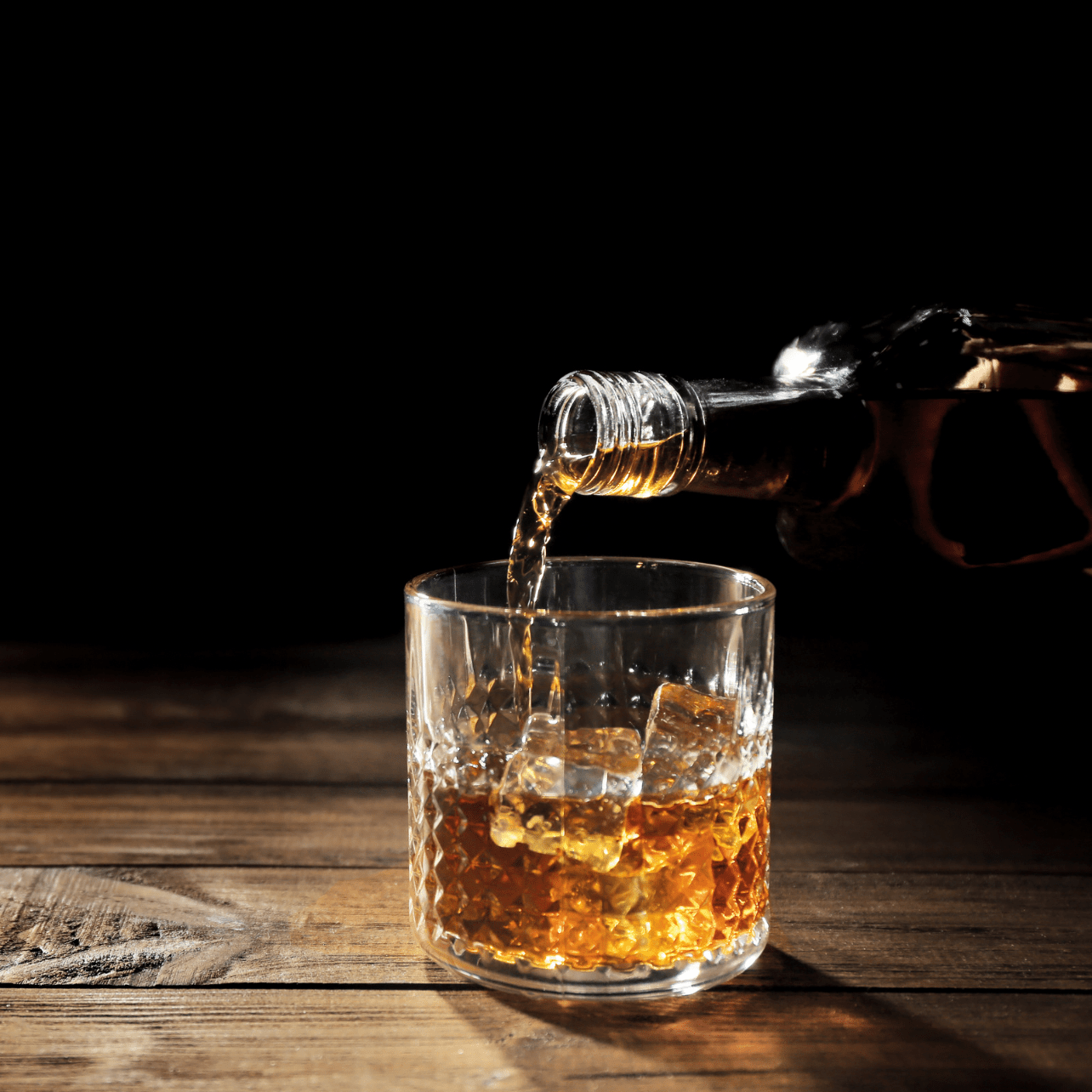
The beverage market, both globally and in Greece, is entering a new phase of maturity. After a period of strong growth and premiumization, consumers are redefining their choices, influenced by economic conditions, new lifestyle habits, and an increasing demand for meaningful experiences.
In 2026, the landscape is being shaped around one core principle:
Consumers are drinking less, but better.
According to IWSR data, overall consumption is showing slight declines in volume, yet market value remains resilient, confirming the shift toward higher-quality choices.
From Premium to “Accessible Premium”
The concept of premium is not disappearing – it is evolving.
Consumers continue to seek quality, but they are now more selective. Instead of excessively expensive options, they are turning to products that offer authenticity, experience, and value for money. This is giving rise to the accessible premium trend: beverages that combine high quality with a more affordable price point. This shift is already visible in the Greek market, where consumers:
-choose one better spirit instead of multiple options.
-invest in premium gin or whisky for at-home consumption.
-seek brands with character and storytelling.
The “drink less, drink better” philosophy is becoming increasingly dominant.
The New Landscape in Liquor Stores: Which Drinks Are Gaining Ground and Which Are Losing Momentum.
New consumer behaviors are also strongly reflected in retail sales.
Growing Categories
Premium spirits
Premium spirits remain an important category for the market; however, the way they are consumed is changing significantly.
According to IWSR data, alcohol consumption is not declining drastically, but it is becoming more selective, with consumers drinking less frequently and more consciously.
At the same time, the growing emphasis on health and wellness is leading to:
• lower overall consumption.
• avoidance of high-alcohol beverages in everyday occasions.
• a shift toward lighter or low-ABV options.
Research shows that up to 3 in 5 younger consumers drink rarely or occasionally, confirming the broader trend toward moderation. In this context, premium spirits are not losing their relevance, but are becoming part of a more balanced and occasional consumption model, often through cocktails or higher-quality experiences.
Ready-to-Drink (RTD) cocktails
The RTD category is one of the most dynamic segments globally. According to IWSR, it is expected to reach $40 billion by 2027.
In the Greek market, RTDs are steadily gaining ground, mainly through:
• younger age groups.
• out-of-home consumption.
• summer and tourist destinations.
Categories Under Pressure
At the same time, certain categories are showing signs of fatigue:
• mass-market products without differentiation.
• traditional wine segments among younger audiences.
Consumers are now seeking experience and identity, not just consumption.
The Rise of Low & No Alcohol Beverages
One of the most significant developments in the beverage market is the shift toward moderation.
The growth of low and no alcohol products is linked to:
• the wellness trend.
• the everyday balance.
• the new habits of younger generations.
According to international IWSR data, the non-alcoholic beverage category is growing at an annual rate of over 8%. Particularly strong momentum is seen in non-alcoholic beer, which is becoming a key segment of the market.
Consumers are not necessarily replacing alcohol, but alternating their choices depending on the occasion.
What Is Changing in Bars and Hospitality
Changes in consumption are not only about what consumers drink, but also when and how they choose to socialize.
From the Night… to the Afternoon
Traditional nightlife appears to be declining, with younger age groups choosing to go out earlier.
Globally, trends such as “day drinking” or the so-called “daycap” highlight this shift, with consumption moving to the afternoon or early evening.
Similarly, it is observed that:
• outings start earlier and end earlier.
• consumption per person is lower.
• switching between alcoholic and non-alcoholic drinks is increasing.
• the practice of “zebra drinking” (alternating alcoholic and non-alcoholic choices) is gaining ground, especially among younger generations.
This trend is also reflected in the Greek market, where a significant decline in alcohol consumption during nightlife has been recorded, particularly in high-ABV drinks. Factors such as stricter enforcement measures (breathalyzer checks), increased attention to responsible driving, and broader economic pressure appear to be directly influencing consumer behavior.
New Consumption Priorities
Consumption is now more closely associated with:
• the experience
• social interaction
• quality over quantity
Research shows that younger consumers often combine alcoholic and non-alcoholic drinks during the same outing, making more conscious choices about when and how much they consume.
This shift is linked both to lifestyle choices (wellness, balance) and to broader social conditions, such as economic pressure and the experiences of younger generations in recent years.
At-Home Consumption
At the same time, at-home consumption is increasing.
Consumers are choosing to create a more “premium” experience at home by purchasing better-quality drinks from liquor stores. This positions liquor stores not merely as points of sale, but as places of discovery and consumer guidance.
The beverage market in 2026 is being shaped by a consumer who is more informed, more demanding, and more conscious.
The key trends shaping the landscape are:
• accessible premium choices instead of excessive luxury.
• growth of ready-to-drink cocktails.
• rise of low & no alcohol drinks.
• greater emphasis on the drinking experience.
For businesses across the sector—from liquor stores and bars to brands—success will depend on their ability to offer products that combine quality, authenticity, and real value.
Understanding market trends and strategically leveraging them has now become a key growth factor—an approach that lies at the core of Jannec S.A. philosophy.
Sources
IWSR – Global Beverage Alcohol Trends & Forecast Reports
IWSR – Ready-to-Drink Category Forecast (2027)
ESM Magazine – RTD market insights & industry analysis
BeverageDaily – Premiumisation & consumer trends
Protothema – The new Road Traffic Code and breathalyzer checks caused a sharp drop in consumption at nightlife venues, with “hard” spirits taking the hit (31.12.2025) Proto Thema
